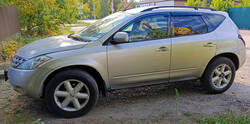
Let's be honest, your first-gen Nissan Murano Z50 isn't just a car; it's a statement. That bold, "liquid" design still turns heads. But while style is timeless, safety is immediate. The brake system is your Murano's most critical safety feature, and after all these years and miles, it might be asking for a little love. Don't worry, this isn't a scary, technical manual. Think of it as a chat with a knowledgeable friend about keeping your Murano safe and responsive.
First Things First: A Word on Safety (The Non-Negotiable Part)
Before we turn a single bolt, this has to be said: Brake work is serious business. You are dealing with the system that stops a two-ton vehicle. If you are not 100% confident in your skills, tools, or understanding, please take your Murano to a professional. Safety first, always. No exceptions. If you're proceeding, ensure the car is on a perfectly level surface, securely supported on jack stands—never just a jack—and the wheels are chocked.
Listen to Your Murano: Recognizing the Warning Signs
Your car is pretty good at telling you what it needs. Here’s how to decode the messages:
- The Grind: A harsh, metal-on-metal grinding sound is your brake pads' wear indicator screaming in agony. If you hear this, you've likely worn through the pad material and are now grinding the metal backing plate into your brake rotors. This means you need new pads and almost certainly new or resurfaced rotors. Don't ignore this one!
- The Shudder: You feel a vibrating pulse in the brake pedal, especially when slowing down from highway speeds. This is usually a sign of "warped" or, more accurately, unevenly worn brake rotors. The surface isn't smooth, so the pads can't grip consistently.
- The Pull: When you brake, the car pulls sharply to one side. This could be a stuck brake caliper on one side, a collapsed brake hose restricting fluid flow, or simply worn-out pads on one wheel.
- The Soft Pedal: The brake pedal feels spongy and travels almost to the floor. This often indicates air in the brake lines, which compresses instead of transferring force. It could also mean old, contaminated brake fluid.
Getting Your Hands Dirty: A Step-by-Step for a Basic Brake Job
Let's walk through a front brake pad and rotor replacement, the most common job.
What You'll Need:
- New brake pads
- New brake rotors (highly recommended instead of resurfacing old ones)
- A lug wrench, socket set, and a sturdy ratchet
- A C-clamp or a dedicated brake caliper piston tool
- Brake cleaner
- A bottle of fresh DOT 3 brake fluid
The Process:
- Loosen and Lift: Loosen the lug nuts on the wheel you're working on, then safely lift the car and remove the wheel.
- Unbolt the Caliper: You'll see the big, U-shaped brake caliper straddling the rotor. It's usually held on by two bolts (sometimes one sliding pin bolt). Remove these bolts carefully. Pro Tip: Hang the caliper from the suspension with a piece of wire or a bungee cord. Never let it hang by the brake hose!
- The "Piston Push": The old brake pads are thick, and the caliper piston is extended out to accommodate them. To fit the new, thicker pads, you need to push the piston back into its bore. Use your C-clamp for this. Place one end against the back of the piston and the other against the old brake pad (still in the caliper) and slowly tighten the clamp until the piston is fully retracted. Warning: If your car has an electronic parking brake integrated into the rear calipers, you may need to put the car in "service mode" first. Consult your manual for this.
- Swap Rotors and Pads: Now you can remove the old rotor. It might be rusted on, so a few taps with a rubber mallet might be needed. Clean the hub surface with a wire brush. Slide the new rotor on. Then, install the new brake pads into the caliper bracket.
- Reassemble: Slide the caliper back over the new rotor and new pads. Re-install the caliper bolts and torque them to the proper specification.
- The Final, Crucial Step – Bedding-In: You can't just hit the road and slam on the brakes. New pads and rotors need to be "bedded-in." Find a safe, empty road. Accelerate to about 45 mph and then brake firmly (but not to a complete stop) down to about 10 mph. Do this 5-6 times to transfer an even layer of pad material onto the rotor. Then, drive for several minutes without using the brakes to let them cool down. This process is vital for preventing warping and ensuring optimal braking performance.
When to Call in the Pros
Some jobs are best left to experts with the right tools:
- Brake Fluid Flush: Brake fluid absorbs moisture over time, which lowers its boiling point and causes internal corrosion. A complete flush every 2-3 years is cheap insurance.
- Sticky Calipers: If a caliper is seized, it needs to be rebuilt or replaced.
- ABS Issues: Problems with the Anti-lock Braking System require specialized diagnostic tools.
Your Nissan Murano Z50 has been a faithful companion. Giving its brakes the attention they deserve isn't just a repair; it's an investment in the thousands of safe miles you have ahead. Listen to your car, take your time, and never hesitate to ask for help.
Комментарии